

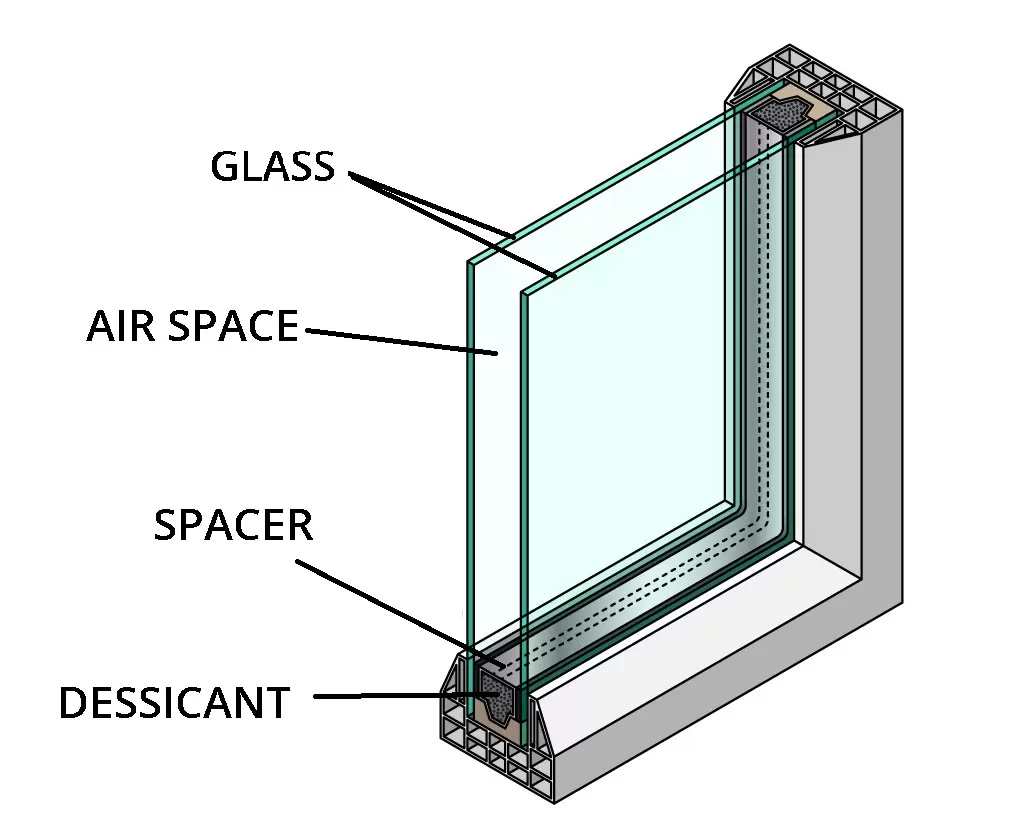
Double glazed windows[^1] regulate indoor temperature, improve energy efficiency, and block up to 60% more noise than single-glazed glass. They also reduce heat loss in winter and keep rooms cooler in summer, making them ideal for energy-conscious building projects.
After switching to double glazing, I immediately noticed my living room stayed cooler during heatwaves and warmer in the cold season. The annoying drafts disappeared, and my heating bills dropped.
Noise reduction was another big win. Once I replaced the old single-glazed panes, I stopped waking up at night due to traffic or barking dogs outside.
What are the disadvantages of double glazed windows?
Nothing is perfect, even when it comes to better windows.
The main disadvantages[^2] are higher upfront costs and difficulties with repairing damaged units.
I remember hesitating before upgrading. The price was double that of single glazing. And if moisture ever gets trapped between the panes, the entire unit often needs to be replaced. That said, I haven’t faced any fogging issues so far—choosing a reliable supplier helped.
| Potential Issue | Description |
|---|---|
| Initial Cost | More expensive than single glazed |
| Repair Difficulty | Can’t fix broken seals individually |
| Weight | Heavier, needs stronger frames |
| Not Ideal for Old Homes | May not match vintage frames |
Still, the benefits outweighed the drawbacks in my case.
What is the point of double glazed windows?
Many people ask why bother with two panes of glass.
The point is to trap air between two panes[^3] to reduce heat transfer and block outside noise.
I noticed right away how much quieter my home became. The air gap acts like a cushion—it keeps warm air in during winter, and hot air out during summer. I no longer need to blast the heater or air conditioner all day.
| Layer Purpose | Benefit |
|---|---|
| First Glass Pane | Blocks initial heat or cold |
| Spacer + Air Gap | Acts as insulation barrier |
| Second Glass Pane | Strengthens noise control |
The space between the glass can be filled with air or argon gas[^4] for even better performance. Some units also come with low-E coating for extra heat reflection.
Does double glazing really make a difference?
I used to wonder if it was just a marketing trick. Turns out, it’s not.
Yes, it makes a noticeable difference[^5] in temperature control, energy bills, and daily comfort.

The first month after installation, my energy bill dropped. I didn’t expect that result so fast. In the summer, I barely turned on the air conditioning. And I finally got used to the sound of silence—no more delivery trucks or barking dogs breaking my sleep.
| Area Improved | Change Noticed |
|---|---|
| Thermal Comfort | Stable indoor temperatures |
| Noise Reduction | Outside sounds almost gone |
| Utility Bills | Reduced heating/cooling cost |
| Window Fogging | Less internal condensation |
Even during heavy rain or strong winds, the house feels peaceful. That’s something single glazing never gave me.
Are double glazed windows good for hot climates?
This surprised me too. I always thought double glazing was only for cold places.
Yes, double glazed windows work well in hot climates[^6] by keeping heat out and cooling in.
I live in a region with long summers, and this upgrade was one of the best decisions I’ve made for my home. The inner glass stays cooler, and rooms don’t feel stuffy during the day. If you pair the glazing with low-E coatings, the sunlight won’t overheat your space anymore.
| Feature | Impact in Hot Climates |
|---|---|
| Heat Reflection | Keeps direct heat out |
| Thermal Insulation | Maintains cool indoor air |
| Energy Efficiency | Reduces air conditioning use |
| Comfort | No more hot zones near windows |
Whether it’s summer sun or winter chill, double glazing keeps the inside steady. That makes it a smart year-round solution.
Conclusion
Double glazing makes everyday life more comfortable, energy-efficient, and peaceful.
[^1]: Double glazed windows use two panes of glass separated by a spacer, providing thermal and sound insulation.
[^2]: Main downsides include higher initial cost and inability to repair individual panes once seals break.
[^3]: The air gap between two panes slows down heat transfer and reduces outside noise penetration.
[^4]: Argon gas improves insulation by reducing convective heat transfer between panes.
[^5]: Studies and real-life experience show double glazing can cut noise and reduce energy use significantly.
[^6]: Double glazing combined with low-E coatings helps block solar heat, improving comfort in warm climates.