
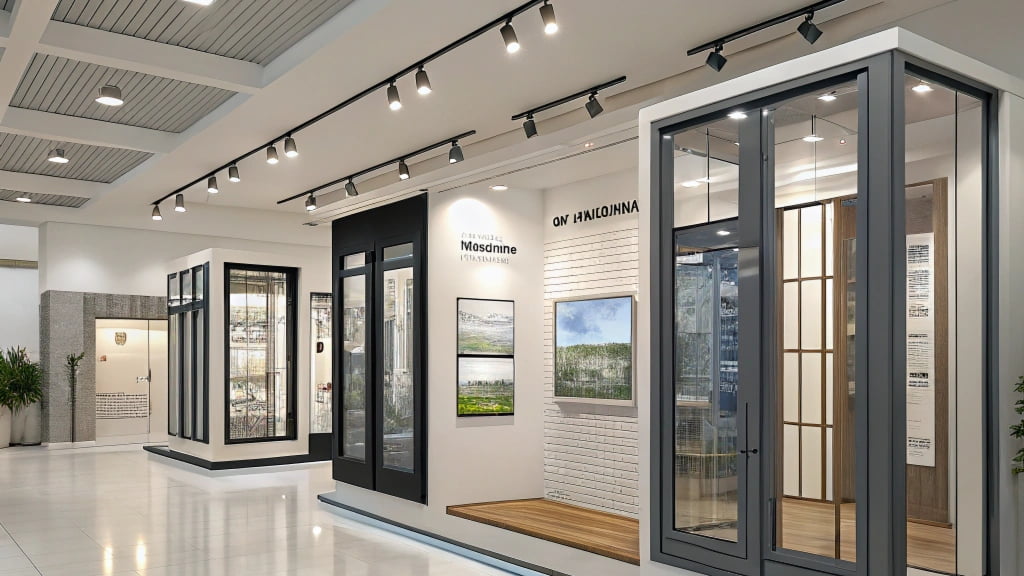
I often meet clients who feel overwhelmed by the variety of aluminium windows available. They wonder which style works best for their projects.
Aluminium windows come in various styles, including:
- Casement windows: Hinged at the side, open outward, ideal for ventilation.
- Sliding windows: Move horizontally, space-saving for compact areas.
- Awning windows: Top-hinged and open outward, suitable for wet climates.
- Fixed windows: Non-operable, used to enhance lighting and aesthetics.
- Tilt-and-turn windows: Dual opening modes, flexible and modern.
- Bi-fold windows: Panels fold accordion-style, perfect for large openings.
- Bay or bow windows: Project outward to add space and style.
- Double-hung windows: Both sashes move vertically, common in traditional homes.
When I first explored window styles, I felt the same way. I’ll break down the options for you, making it simpler to choose the right one.
How many types of aluminum windows are there?
Many people ask me about the different types of aluminium windows1. Knowing the main types is crucial for choosing the right one.
There are four primary types: casement, sliding, awning, and fixed. Each type fits different needs, from ventilation to design appeal.
I remember a time when a client debated between sliding and casement windows. I explained their differences, and they quickly made a confident choice.
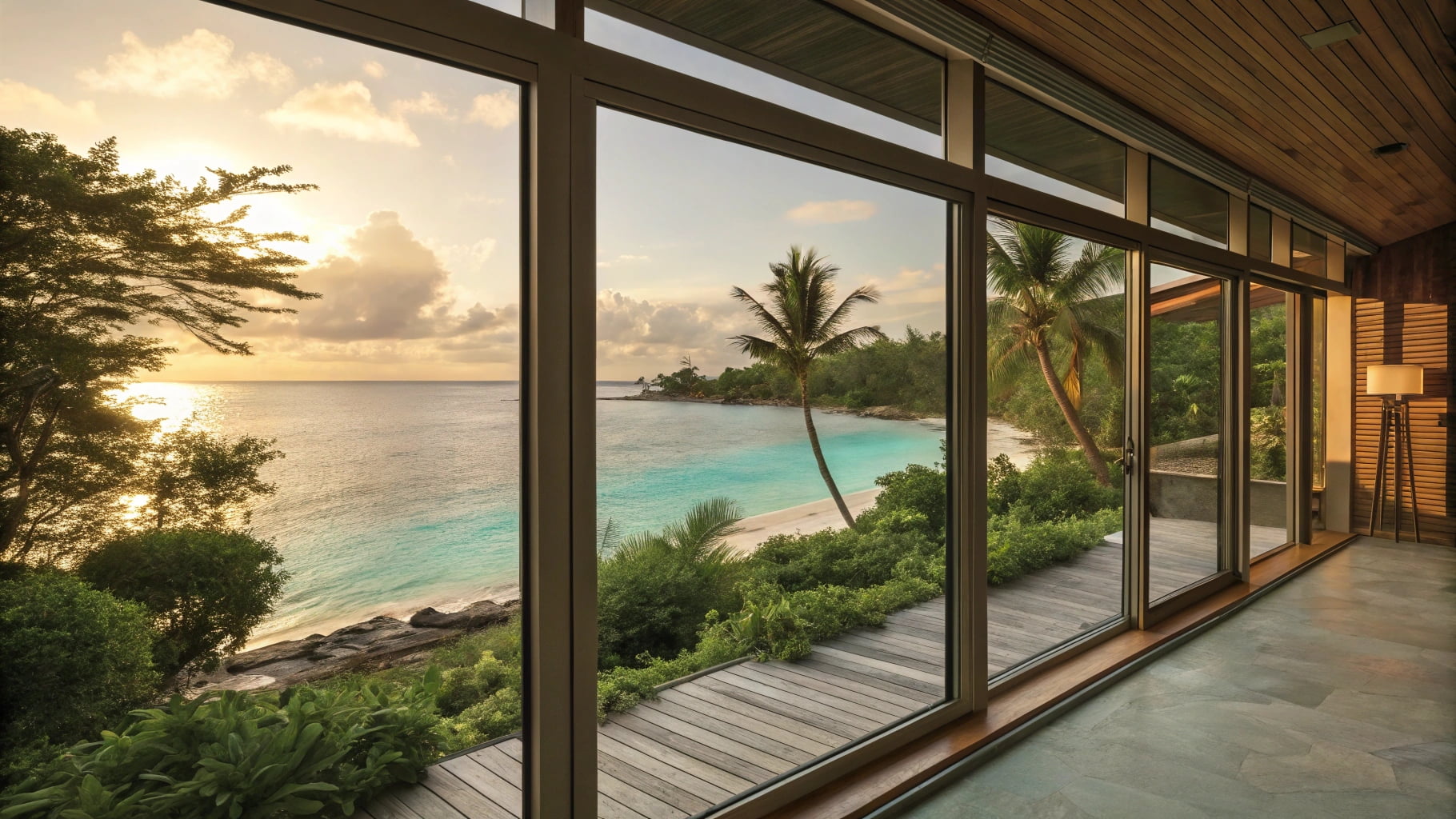
Casement Windows
These windows swing outward, providing excellent ventilation and clear views. I often recommend them for homes with a modern style.
| Feature | Details |
|---|---|
| Ventilation | Excellent |
| Design | Sleek and modern |
| Best Use | Bedrooms, living rooms |
Sliding Windows
These windows move horizontally and save space. I’ve seen them used frequently in kitchens and balconies.
| Feature | Details |
|---|---|
| Space-saving | Yes |
| Ease of Use | High |
| Best Use | Compact areas |
Awning Windows
Hinged at the top, these windows open outward. I find them useful in rainy climates for their weather protection.
| Feature | Details |
|---|---|
| Weatherproofing | Excellent |
| Best Use | Bathrooms, basements |
Fixed Windows
These are non-operable and focus on lighting and design. I’ve installed these in many large commercial projects.
| Feature | Details |
|---|---|
| Functionality | Decorative |
| Best Use | Hallways, modern facades |
Which type of aluminium is best for windows?
Clients often ask me which aluminium type offers the most benefits2. The answer depends on energy efficiency and durability needs.
Thermally broken aluminium is the best choice. It reduces heat transfer, making it ideal for energy-efficient buildings.
A property developer I worked with appreciated how thermally broken aluminium cut energy costs while maintaining modern aesthetics.
Benefits of Thermally Broken Aluminium
Thermal breaks are insulating barriers that enhance performance.
| Benefit | Detail |
|---|---|
| Energy efficiency | Prevents heat transfer |
| Durability | Withstands weather |
| Comfort | Reduces condensation |
Comparing Other Options
Powder-coated3 and anodized aluminium4 are good alternatives. They provide durability and customization but lack the energy efficiency of thermal breaks.
| Aluminium Type | Strength | Weakness |
|---|---|---|
| Powder-coated | Customizable finishes | Less thermally efficient |
| Anodized | Resistant to corrosion | Limited color options |
Which are the best aluminium windows?
Choosing the best aluminium windows5 depends on functionality and design needs. Clients often ask me what works for high-end projects.
Casement and sliding windows are top choices. They balance style, ease of use, and practical benefits.
During a luxury home project, I suggested casement windows for the living spaces and sliding windows for the kitchen. The combination enhanced the overall design.
Factors That Matter
- Energy Performance: High-quality aluminium windows meet NFRC standards.
- Design Versatility: Sliding windows suit modern spaces; casement windows fit traditional homes.
- Ease of Use: Clients love sliding windows for their simple operation.
Applications of Top Choices
Casement windows work well in bedrooms for ventilation. Sliding windows are perfect for urban apartments with limited space.
What are the types of old aluminum windows?
When restoring older buildings, clients often ask me about the types of aluminium windows used in the past6.
Old aluminium windows include single-pane sliders, fixed panels, and tilt-and-turn styles. They reflect older design and performance standards.
I recall a restoration project where we upgraded tilt-and-turn windows with modern thermal breaks while keeping their classic look.
Characteristics of Old Windows
- Single-pane glass: Low thermal efficiency compared to modern windows.
- Basic mechanisms: Simpler operation but prone to wear over time.
- Uncoated finishes: Durable but less visually appealing by today’s standards.
Restoring vs Replacing
Restoration retains historical value, while replacing ensures better energy performance. Both options depend on the project’s goals.
| Decision Factor | Restoration | Replacement |
|---|---|---|
| Historical value | Preserves authenticity | Changes the original look |
| Energy efficiency | Limited improvement | Significant enhancement |
Conclusion
Aluminium windows come in several styles, including casement, sliding, awning, fixed, tilt-and-turn, bi-fold, bay/bow, and double-hung. Each offers unique benefits in ventilation, aesthetics, or space optimization, making them suitable for various architectural needs.
-
Detailed breakdown of aluminium window types for better understanding. ↩
-
Why thermally broken aluminium is crucial for energy efficiency. ↩
-
Advantages and limitations of powder-coated aluminium. ↩
-
Benefits and drawbacks of anodized aluminium. ↩
-
Comprehensive guide to choosing the best aluminium windows. ↩
-
History and characteristics of old aluminium windows. ↩