
Are you struggling to choose between aluminum-clad wood and pure aluminum windows1 for your project? You might worry that making the wrong choice will waste your budget2 and ruin your home's comfort.
Aluminum-clad wood windows3 offer superior insulation4 and a luxurious natural look, making them perfect for cold climates. Pure aluminum windows provide excellent durability, modern aesthetics5, and lower maintenance, ideal for coastal area6s. Your decision should depend on your local climate7, architectural style8, and budget2.
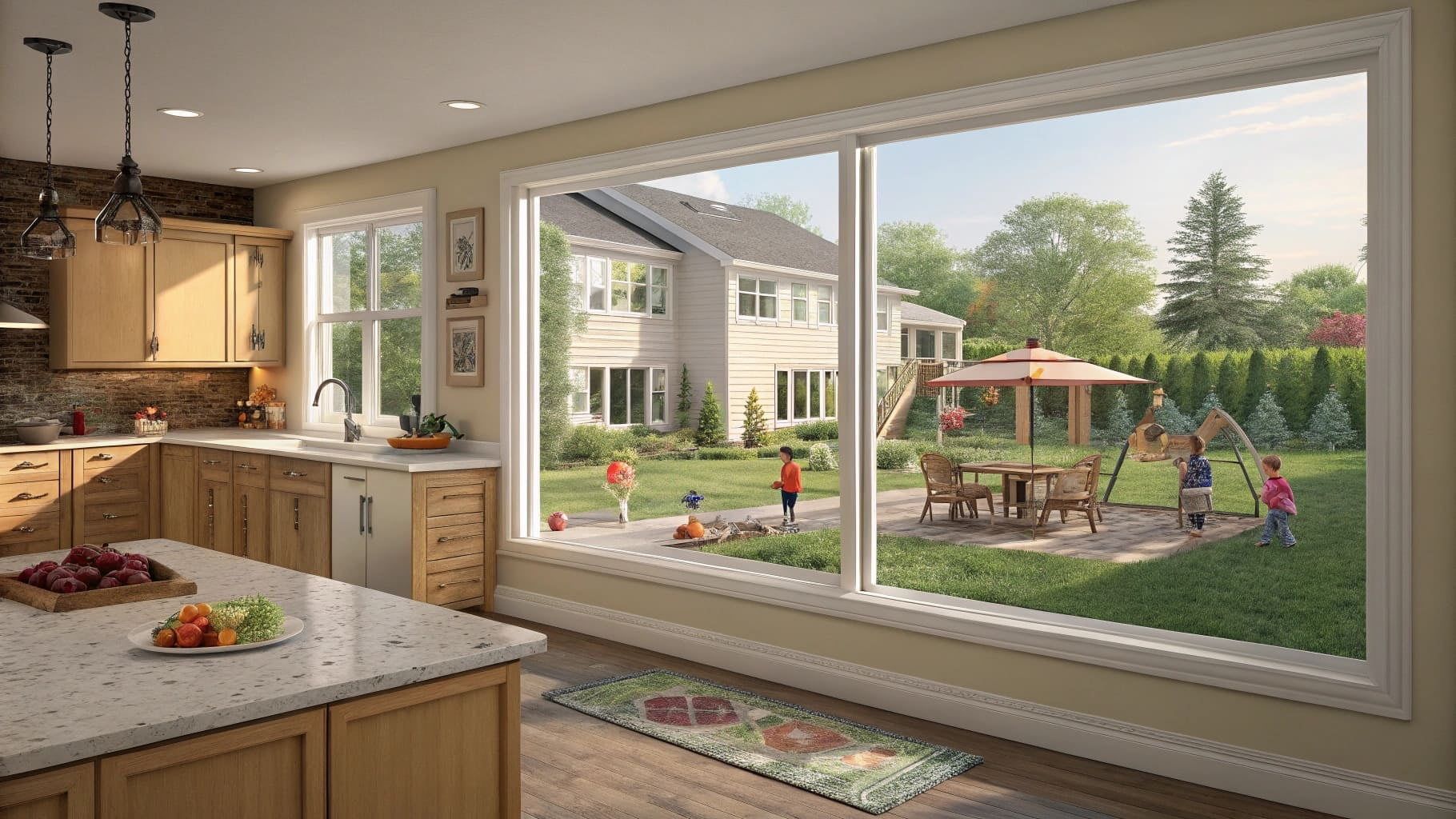
Many people think the choice is just about the price tag. But in my ten years of experience in the window and door industry, I have seen that the price is only one part of the story. The real issue is how the window makes you feel every day. It is about the silence in your bedroom and the warmth in your living room. If you choose wrong, you might face condensation issues or high energy bills9 later. So, before you sign that purchase order, we need to look at the core differences. Let's start with how these windows are actually built.
What Are the Main Structural Differences Between Them?
You might wonder what makes these two types of windows so different in their construction?
Aluminum-clad wood windows3 combine a solid wood interior with a protective aluminum exterior shell. Pure aluminum windows are made entirely of metal but use a thermal break10 strip in the middle to stop heat transfer.
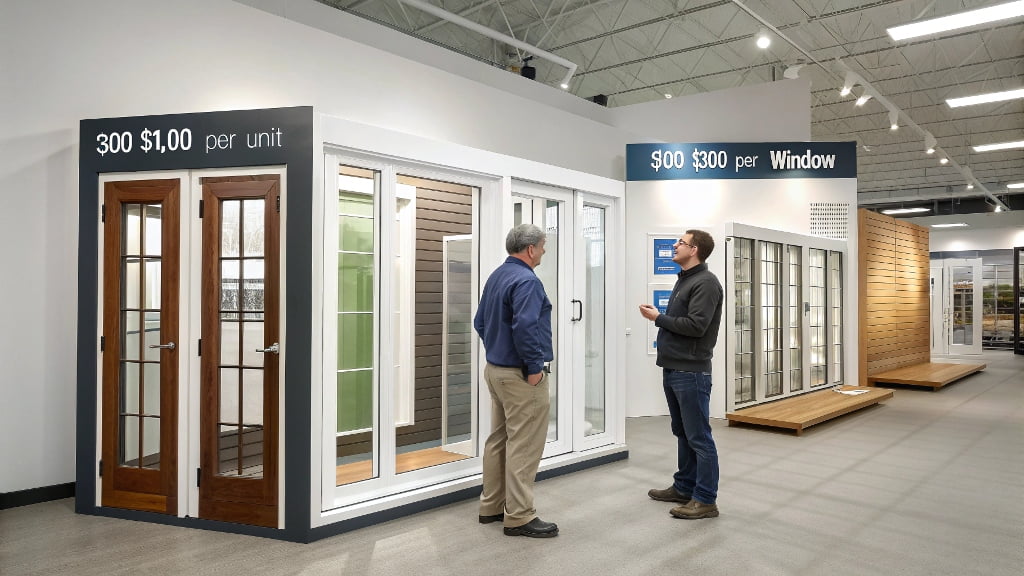
When I talk to clients about structure, I always tell them to look at the cross-section11. This is where the secret lies. I believe that a good window is not just a product. It is the barrier that decides the airtightness and sound quality of your house.
Aluminum-clad wood systems are complex. We use solid wood for the interior part. This could be oak, pine, or larch. This wood provides structural strength and natural insulation. Then, on the outside, we attach an aluminum alloy frame. This aluminum protects the wood from rain, sun, and wind. It is like putting a raincoat on the wood. The two materials are connected but usually have a small gap or a clip system to allow the wood to breathe.
On the other hand, pure aluminum windows1 are metal through and through. However, standard aluminum conducts heat very fast. That is bad for insulation. So, high-performance aluminum windows, like the ones we manufacture at HOGLAD, use a "thermal break10." This is a polyamide strip that separates the indoor aluminum from the outdoor aluminum. It breaks the bridge so heat cannot travel across.
Here is a simple breakdown of the structural components:
| Feature | Aluminum-Clad Wood | Thermal Break Aluminum |
|---|---|---|
| Core Material | Solid Wood (Interior) | Aluminum Alloy (6063-T5) |
| Exterior Face | Aluminum Cladding | Aluminum Alloy |
| Interior Face | Natural Wood Finish | Powder Coated Aluminum |
| Connection | Clips/Mechanical Fasteners | Polyamide Thermal Strip |
| Primary Strength | Wood Frame | Metal Frame |
The structure defines the performance. But structure is useless if the window cannot handle the weather outside your door.
How Do They Perform in Extreme Climates?
Does the climate of your region strictly dictate which material you must use?
Aluminum-clad wood is the best choice for regions with large temperature differences, like the USA and Canada, because wood is a natural insulator. Aluminum is better for mild climates or areas with high humidity12.
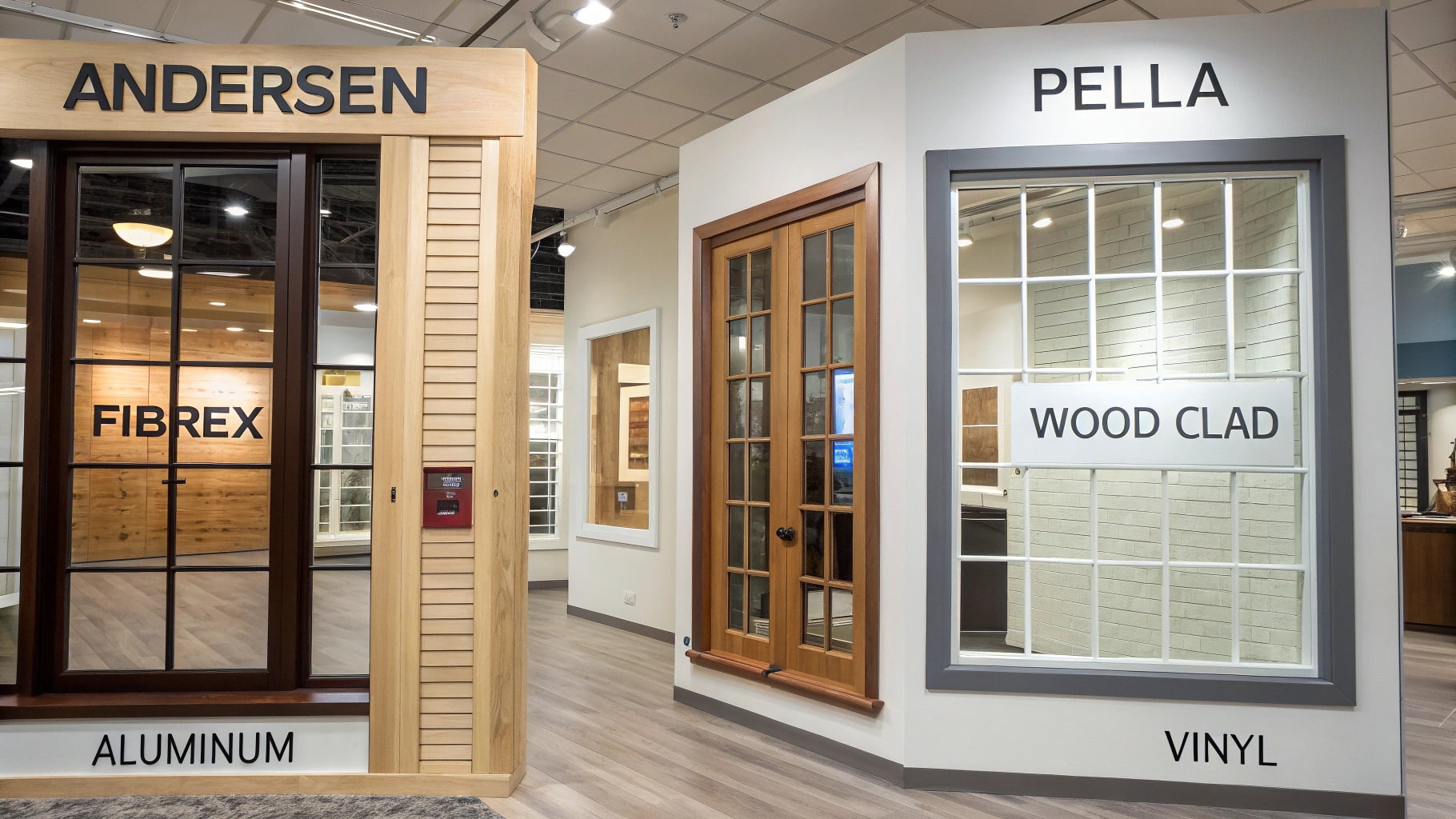
In my personal view, I lean more towards aluminum-clad wood for certain markets. This is especially true for my clients in the USA and Canada. These places often have very cold winters and hot summers. The temperature difference is huge.
I remember a project I supplied in Canada a few years ago. The homeowner insisted on slim aluminum windows because he liked the look. I warned him about the "cold touch." In deep winter, even with a thermal break10, metal feels cold to the touch. Wood does not. Wood brings a sense of indoor warmth that pure aluminum structures find very hard to replace. Wood has natural air pockets inside its cellular structure. This blocks heat transfer naturally.
However, if your project is in a coastal area6 or a tropical zone, the story changes. I had a client in a humid, salty coastal region. Wood can swell or rot if the humidity is too high for too long. In this case, thermal break10 aluminum is the winner. It does not absorb water. It keeps the cool air inside (if you use air conditioning) and blocks the heat outside.
We can look at the performance ratings13:
| Performance Metric | Aluminum-Clad Wood | Thermal Break Aluminum |
|---|---|---|
| U-Value (Insulation) | Very Low (Excellent) | Low (Good) |
| Condensation Risk | Minimal | Low (with proper thermal break10) |
| Touch Temperature | Warm | Cool |
| Air Tightness | High | Very High |
So, climate matters. But once the window is installed, you have to live with it. This brings us to the question of care.
Which Material Is Easier to Maintain and Lasts Longer?
Are you prepared to spend time maintaining your windows, or do you want a "set it and forget it" solution?
Pure aluminum windows are the winner for low maintenance because they do not rot, warp, or require repainting. Aluminum-clad wood requires interior care14 but offers a longer life cycle if maintained well.

If you are a busy person, or if this is for a rental property, listen carefully. Aluminum is stable. It does not deform. It does not rust easily if it is treated well. These advantages are very obvious in actual use. You just need to wipe the frames with soapy water once in a while. That is it. The powder coating on our HOGLAD aluminum windows can last for decades without fading.
Aluminum-clad wood is different. The outside is aluminum, so that part is easy. You do not need to paint the exterior. However, the inside is real wood. Real wood is a living material. It reacts to moisture and sunlight. Over ten or twenty years, the interior varnish might fade. You might need to refinish it to keep that luxury look15.
Also, consider the risk of damage. If you scratch aluminum, you can touch it up, but a deep dent is hard to fix. If you scratch wood, you can sand it and stain it again.
From my manufacturing perspective, I see fewer warranty claims on aluminum regarding operation issues. Wood is heavy. Sometimes, very large wood sashes can sag slightly over many years if the hardware is not strong enough. We use top-tier hardware to prevent this, but it is a factor.
Here is a maintenance checklist16:
| Maintenance Task | Aluminum-Clad Wood | Thermal Break Aluminum |
|---|---|---|
| Exterior Cleaning | Wash with water | Wash with water |
| Interior Cleaning | Wood cleaner/polish | Wipe with cloth |
| Refinishing | May need varnish after 10+ years | Not required |
| Risk Factors | Moisture control needed | Salt corrosion (if not treated) |
Maintenance is a long-term cost. But what about the upfront cost? This is usually the biggest hurdle for my clients.
How Much Should You Budget for Each Type?
Is the price difference between aluminum-clad and pure aluminum really that significant?
Aluminum-clad wood windows3 are generally 30% to 50% more expensive than thermal break10 aluminum windows due to material costs and complex manufacturing. Aluminum offers a better balance of performance and price for tight budget2s.
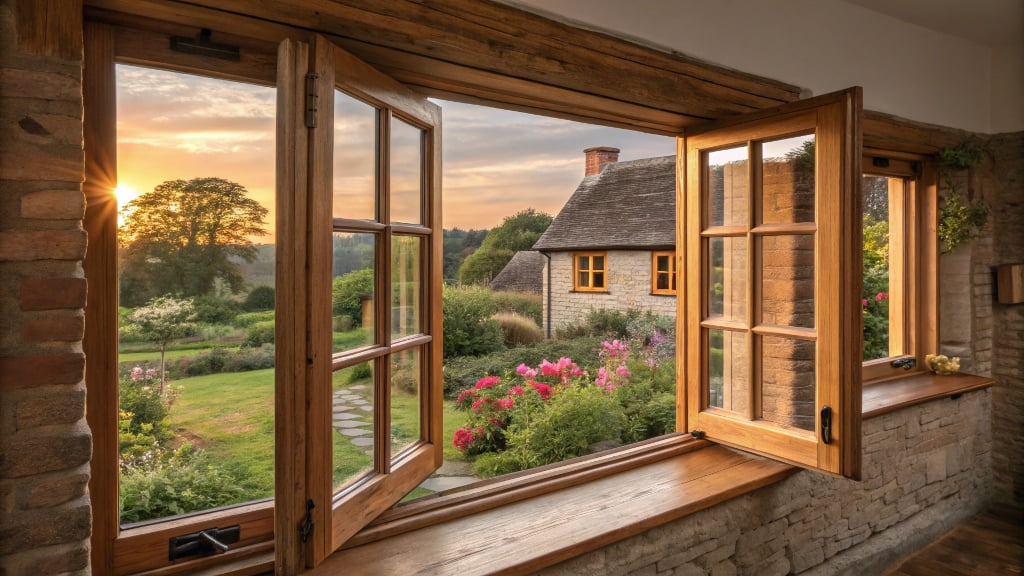
Budget is always the elephant in the room. When I provide quotes to contractors or homeowners, this is where the hesitation starts.
Aluminum-clad wood is a premium product. You are paying for two frames: a wood frame and an aluminum frame. You are paying for the labor to join them. You are paying for expensive hardwoods like White Oak or Black Walnut. If you are building a luxury villa or a high-end custom home, this cost is an investment. It increases the property value.
If your project has a limited budget2, I strongly recommend thermal break10 aluminum. It gives you 80% of the performance for a lower price. It is the practical choice. You get energy efficiency17 without the premium price of timber.
I often tell my clients: do not stretch your budget2 to buy cheap wood windows. Cheap wood windows are a nightmare. They use poor quality wood that will twist and rot. It is better to buy high-quality aluminum windows than low-quality wood windows.
Let's break down the cost factors:
- Raw Material: Wood prices fluctuate and are generally high. Aluminum is a commodity and prices are more stable.
- Production Time: Wood needs drying, cutting, treating, painting (multiple coats), and assembly. Aluminum extrusion and assembly are faster.
- Shipping: Wood windows are heavier and bulkier, which can slightly increase shipping costs from our factory in China to places like the USA or Australia.
Money is important, but aesthetics5 are what you see every day.
Which Style Fits Your Architectural Design?
Does the style of your home demand the warmth of wood or the sleekness of metal?
Aluminum windows are best for modern, minimalist, and industrial designs with slim sightlines. Aluminum-clad wood is ideal for traditional, craftsman, or luxury homes where interior aesthetics5 are a priority.
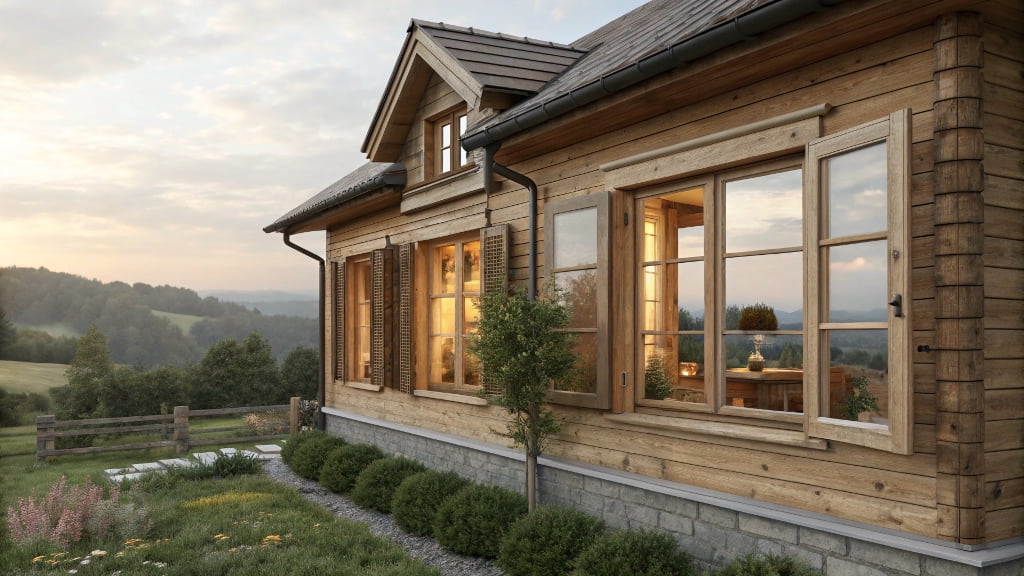
This is where my personal preference meets critical thinking. I mentioned earlier that I prefer aluminum-clad wood. That is because I love the texture. When you walk into a room with wood windows, it feels expensive. It feels established. It fits perfectly with classic furniture, wood floors, and warm lighting.
However, if your project is a modern style home with a flat roof and concrete walls, wood might look out of place. Modern architecture loves thin lines. Aluminum is strong. We can make the frames very narrow (slimline systems) to maximize the glass area. You get more light and less frame.
I had a client recently who was renovating an old farmhouse. He wanted aluminum because it was cheaper. I told him, "If you put sleek grey aluminum in a 100-year-old stone house, it will look like a mistake." He eventually chose aluminum-clad wood. The outside was a dark bronze color to match the stone, and the inside was stained oak. It looked perfect.
Conversely, for a high-rise apartment or a commercial office, aluminum is the only logical choice visually. It looks sharp, clean, and professional.
Consider these design pairings:
| Home Style | Recommended Window | Why? |
|---|---|---|
| Modern / Contemporary | Aluminum | Slim profiles, metallic finishes, large glass sizes. |
| Traditional / Colonial | Aluminum-Clad Wood | Warm interior, detailed profiles, classic look. |
| Industrial / Loft | Aluminum | Black frames, grid patterns, raw look. |
| Luxury Villa / Estate | Aluminum-Clad Wood | Adds value, matches high-end interior joinery. |
So, we have covered structure, climate, maintenance, cost, and style. How do you make the final call?
Conclusion
Many clients tell me after our consultation: "I realized it is not about which material is better, but which one is suitable." This is the most important lesson I have learned in this business.
If you value interior warmth, live in a cold climate, and have a flexible budget2, choose aluminum-clad wood. If you want a sleek look, live in a coastal area6, or need a cost-effective solution, choose aluminum. Pick based on your climate and lifestyle.
Learn about the durability and maintenance benefits of pure aluminum windows. ↩
Get tips on budgeting for window installation without compromising quality. ↩
Explore the advantages of aluminum-clad wood windows for insulation and aesthetics. ↩
Discover how superior insulation can reduce energy bills and enhance comfort. ↩
Explore how aesthetics play a crucial role in choosing the right windows. ↩
Find out which window types are best suited for coastal climates. ↩
Understand the importance of climate in selecting the right windows for your home. ↩
Find out which architectural styles benefit from the warmth of wood windows. ↩
Understand the relationship between window choice and energy costs. ↩
Explore how thermal breaks improve energy efficiency in aluminum windows. ↩
Learn why the cross-section of windows is crucial for performance and insulation. ↩
Learn about the impact of humidity on window performance and longevity. ↩
Learn how to compare performance ratings to choose the best windows. ↩
Discover the necessary steps for maintaining the interior of wood windows. ↩
Explore design tips for achieving a luxurious aesthetic with window choices. ↩
Get a comprehensive checklist for maintaining your windows effectively. ↩
Learn about the key factors that enhance energy efficiency in window designs. ↩