
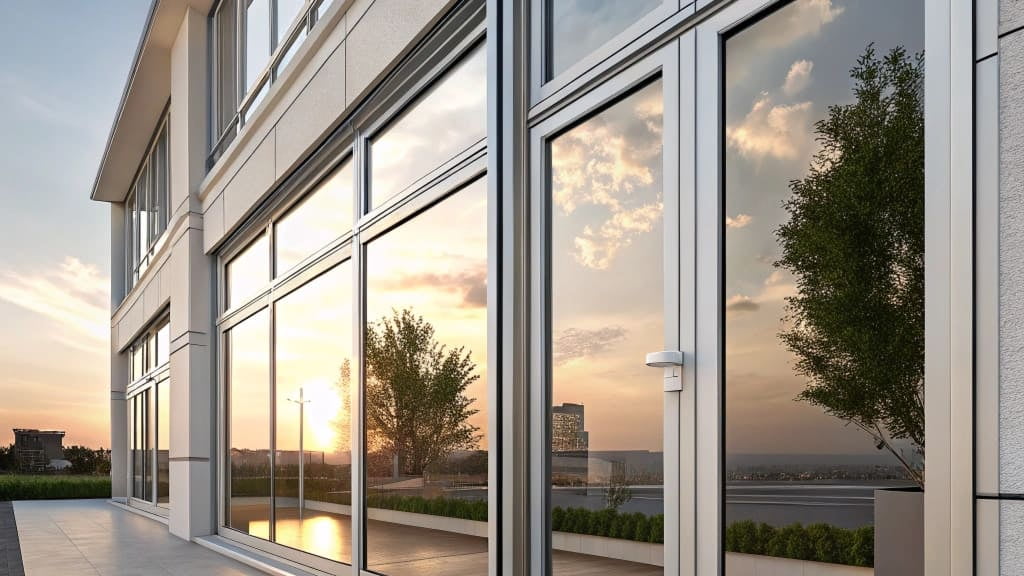
Aluminum section windows are modern window solutions made with extruded aluminum profiles. They are known for their durability, energy efficiency, sleek aesthetics, and minimal maintenance.
Key Benefits of Aluminum Section Windows:
- ✅ Durability: Long-lasting and corrosion-resistant
- ✅ Energy Efficiency: Thanks to thermal breaks and tight seals
- ✅ Security: Rigid frames with locking compatibility
- ✅ Low Maintenance: No rust or repainting required
- ✅ Design Flexibility: Suitable for various architectural styles
- ✅ Eco-Friendly: 100% recyclable aluminum material
How many types of aluminum windows are there?
When I discuss aluminum windows with clients, they’re often surprised by the variety of types available1. Each type serves a unique purpose, making it easy to find a solution for any project.
There are several types of aluminum windows2, including casement, sliding, tilt-and-turn, awning, hopper, and fixed windows.
Overview of Aluminum Window Types
| Type | Description | Best Use |
|---|---|---|
| Casement | Side-hinged, opens outward or inward | Bedrooms, living areas |
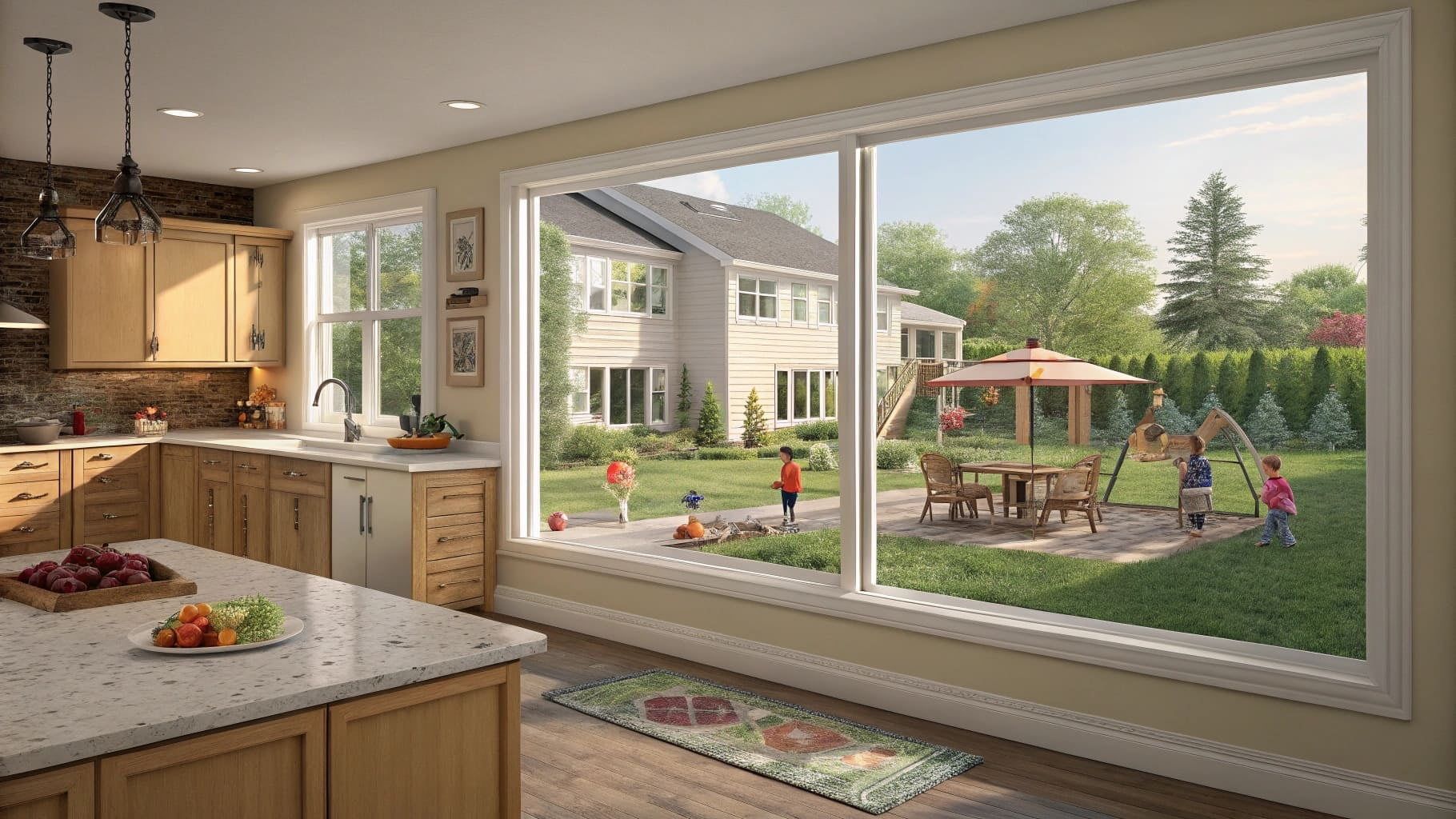
| Sliding | Moves horizontally along a track | Kitchens, small spaces |
| Tilt-and-Turn | Opens inward for ventilation or cleaning | Bathrooms, modern homes |
| Awning | Hinged at the top, opens outward | Bathrooms, basements |
| Hopper | Hinged at the bottom, opens inward | Industrial or utility rooms |
| Fixed | Non-operable, used for lighting or views | Hallways, decorative areas |
What are aluminum casement windows?
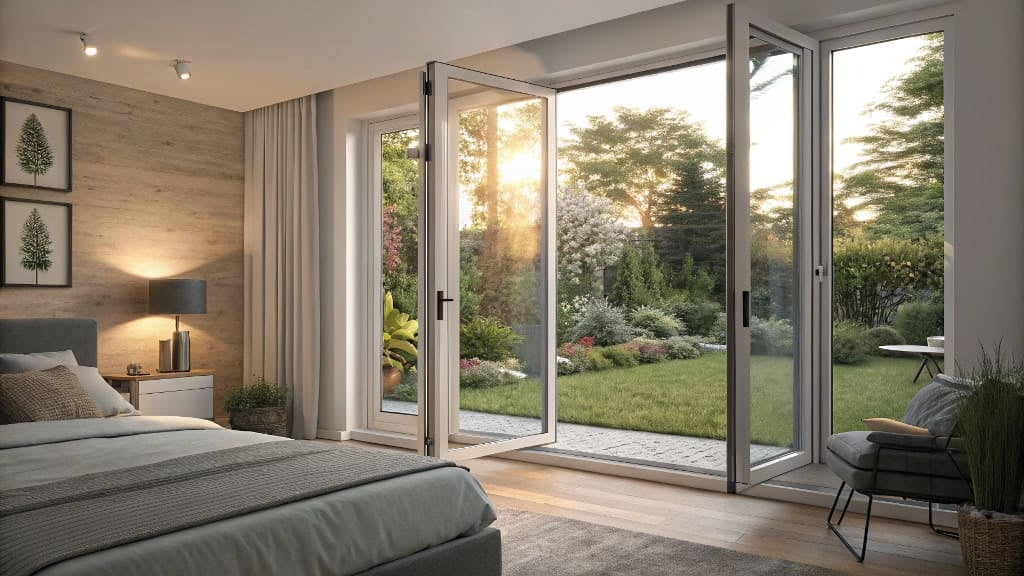
Aluminum casement windows3 are one of the most versatile and commonly used window styles.
Aluminum casement windows4 are hinged on the side and swing outward or inward. They provide excellent ventilation and a sleek, modern look.
Key Features of Aluminum Casement Windows
-
Enhanced Ventilation
Casement windows open fully, allowing maximum airflow. -
Energy Efficiency
These windows close tightly, creating a secure seal that prevents drafts. -
Sleek Design
Aluminum casement windows have slim profiles that maximize glass areas, letting in more natural light.
| Feature | Benefit |
|---|---|
| Full Opening | Improved ventilation |
| Tight Seal | Energy savings |
| Slim Frame | Modern aesthetics |
How do you know if aluminum windows are good quality?
Clients often ask me how to determine the quality of aluminum windows5.
Good-quality aluminum windows6 are defined by their thermal performance, durability, finish, and certifications like NFRC or CE standards.
Signs of High-Quality Aluminum Windows
-
Thermal Breaks
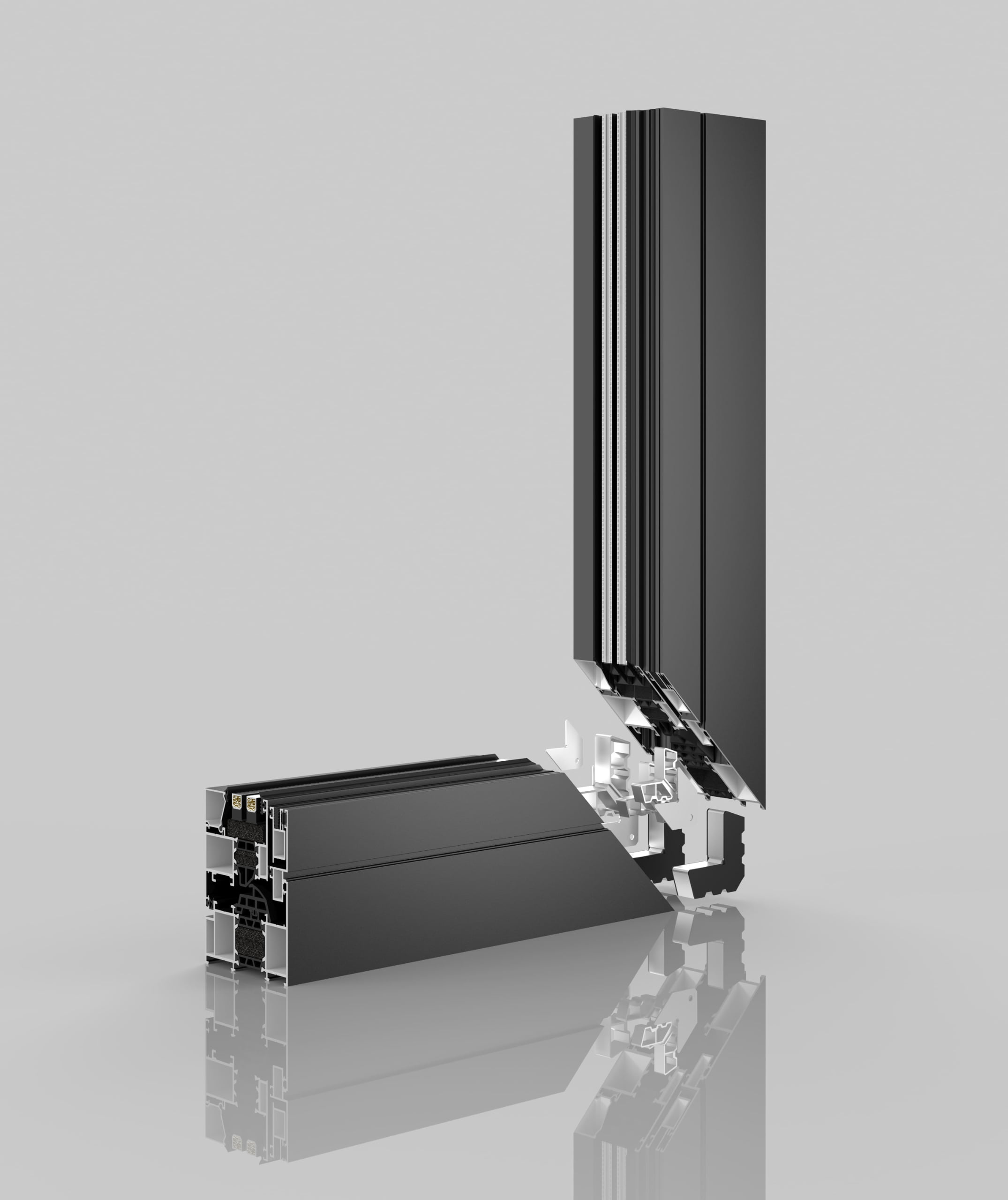
High-quality windows include thermal breaks7 that improve energy efficiency. -
Durability and Strength
Look for extruded aluminum with high strength8. -
Finish Quality
Powder-coated or anodized finishes9 indicate a durable product. -
Certifications
Windows meeting NFRC or CE standards10 ensure compliance.
Which type of aluminum is best for windows?
Not all aluminum is created equal. Clients often ask which type is ideal for windows11.
Thermally broken aluminum12 is the best choice for windows.
Advantages of Thermally Broken Aluminum
-
Energy Efficiency
Thermal breaks create an insulating barrier. -
Durability
Aluminum frames with thermal breaks resist corrosion and weathering. -
Customizability
Thermally broken aluminum can be powder-coated or anodized.
| Aluminum Type | Features | Ideal Use |
|---|---|---|
| Standard Aluminum | Durable, cost-effective | Budget projects |
| Thermally Broken | Energy-efficient, strong | High-performance projects |
| Marine-Grade Aluminum | Corrosion-resistant | Coastal areas |
Conclusion
Aluminum section windows13 are a versatile solution for modern architecture. From casement to sliding and tilt-and-turn designs, they offer durability, energy efficiency, and sleek aesthetics.
-
Variety of types available for aluminum windows. ↩
-
Overview of aluminum window types. ↩
-
Explanation of aluminum casement windows. ↩
-
Features and benefits of aluminum casement windows. ↩
-
Guide to determining the quality of aluminum windows. ↩
-
Factors defining high-quality aluminum windows. ↩
-
Importance of thermal breaks for energy efficiency. ↩
-
Durability factors for aluminum window frames. ↩
-
Benefits of powder-coated or anodized finishes. ↩
-
Certifications ensuring quality and compliance. ↩
-
Which type of aluminum is ideal for windows? ↩
-
Advantages of thermally broken aluminum. ↩
-
Summary of aluminum section window benefits. ↩